**Since there are so many great costumes in this movie, a single post wasn’t sufficient to cover everything. So, I broke this post into two. Part 2 is now available here.**
Toto, I’ve a feeling we’re not in Kansas any more.

Come away with me over the rainbow, to the Marvelous Land of Oz and meet Dorothy and all of her friends (as well as one formidable enemy). This beautiful 1939 movie starring Judy Garland and based on the books of L. Frank Baum has been beloved for generations.
The unique characters with iconic costumes are worth exploring and paying homage to with your very own one-of-a-kind knitwear.
MGM’s chief designer was Gilbert Adrian (known simply as Adrian) designed all the costumes for The Wizard of Oz. Since this was MGM’s first big film in technicolor, there is a clear emphasis on the importance of color throughout the design of the film.
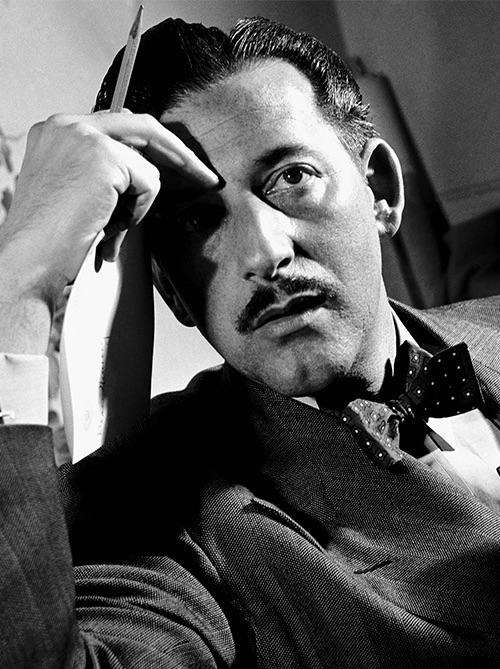
This post will cover The Tin Man, The Scarecrow, and Dorothy. Post 2 will cover the remaining characters.
Let’s begin with The Tin Man.
The Tin Man
The Tin Man joins the party on their quest to seek the wizard so that he can ask him for a heart. The original Tin Man actor, Buddy Ebsen, became extremely ill due to the breathing in the aluminum powder that was applied to his skin as part of his costume. He was replaced by actor Jack Haley, and the powder was replaced with an aluminum paste. Let’s avoid that situation entirely in our recreation of the Tin Man’s look by focusing on knitwear.
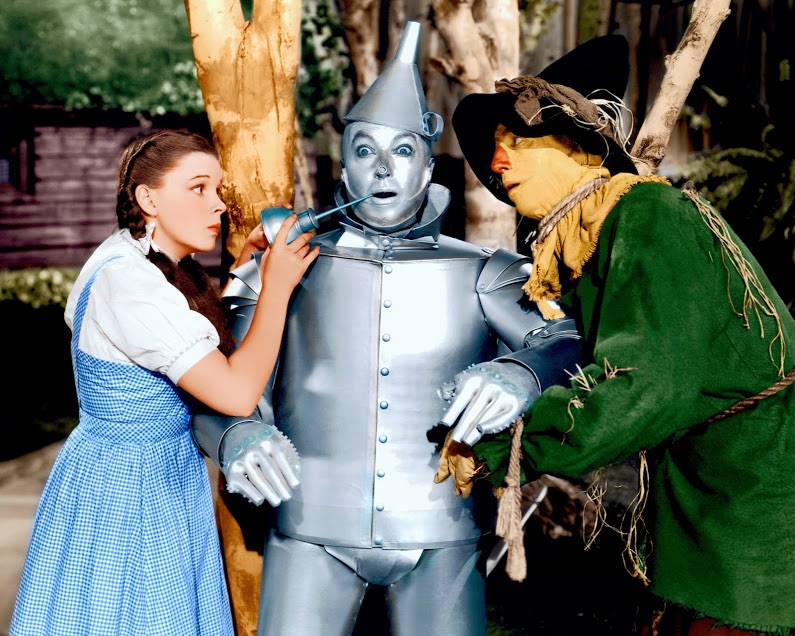
Let’s start with yarn. There are some great silver yarns out there that would be fun to play with for a Tin Man look. Shiny!
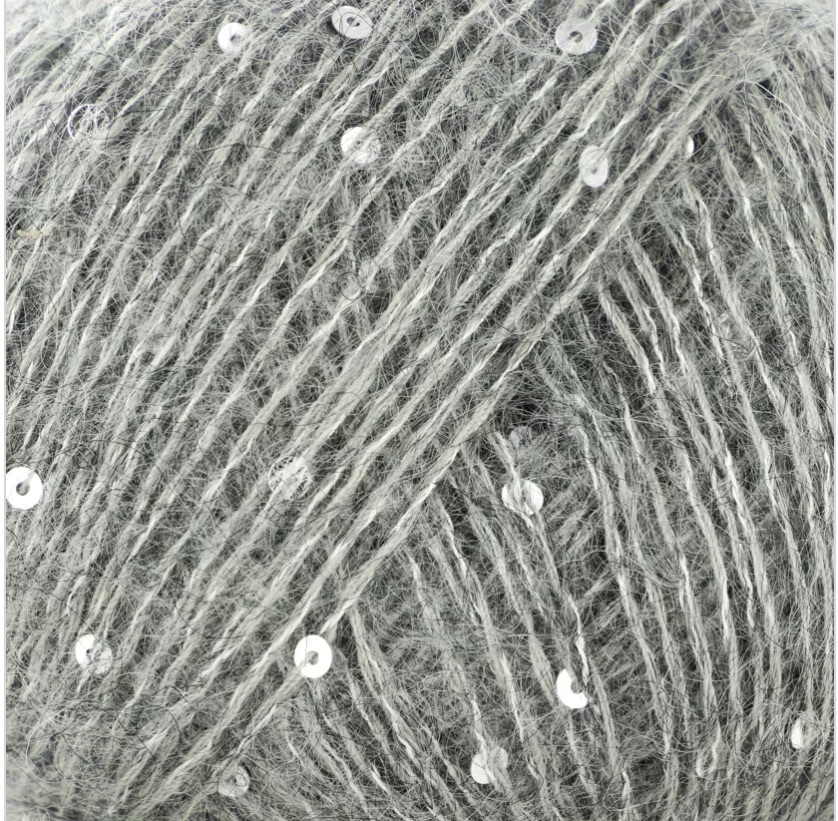
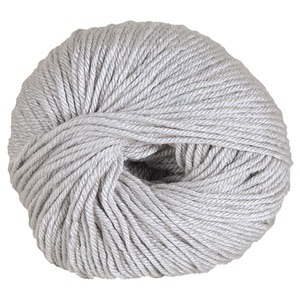
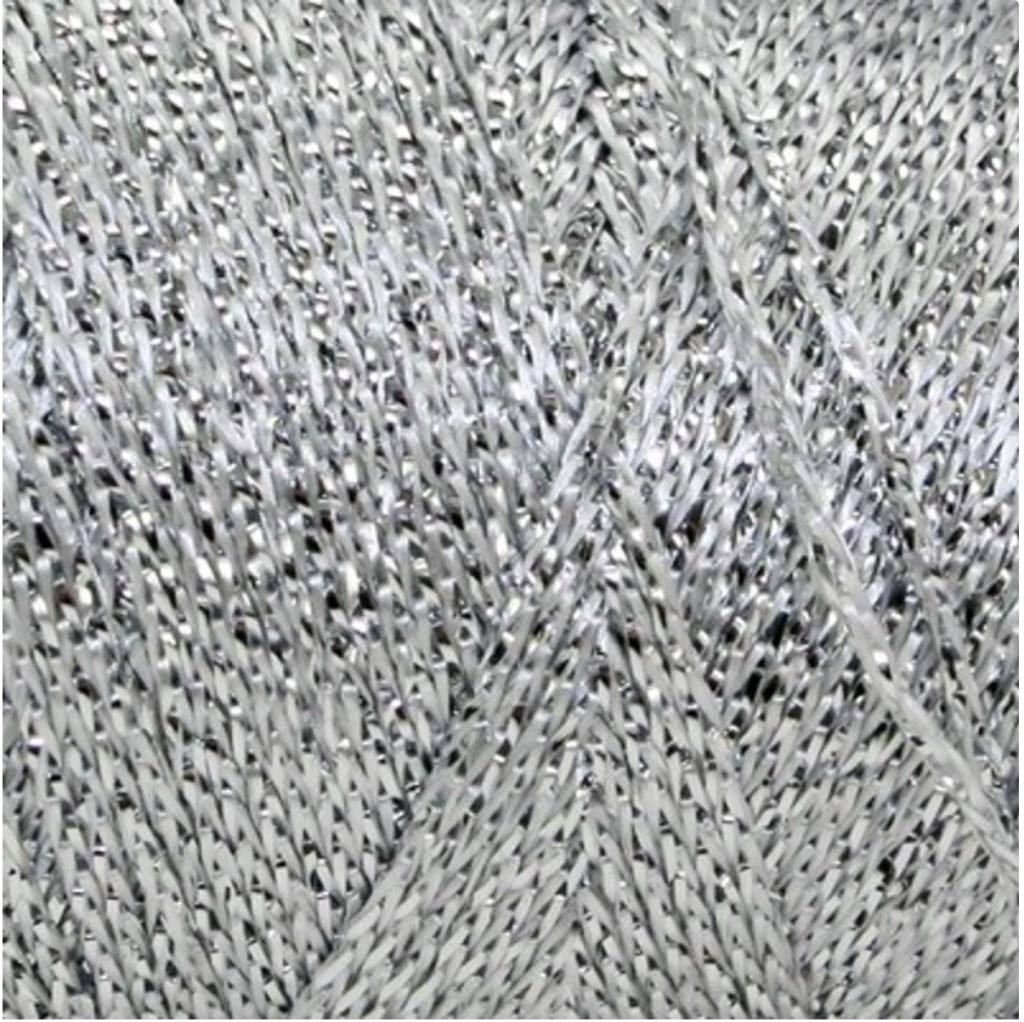

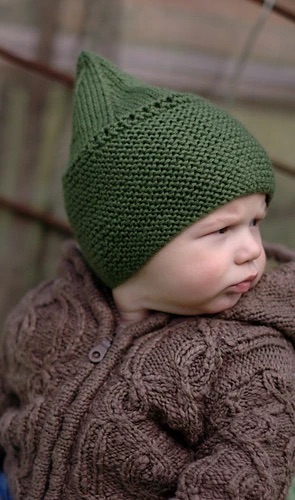
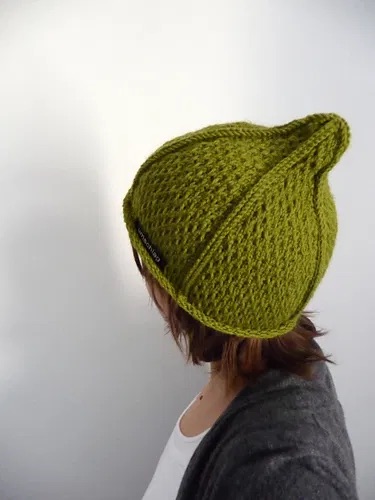
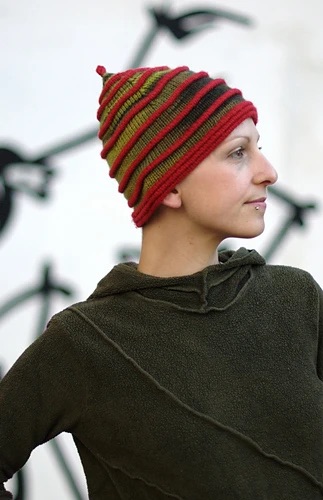
On to patterns. The Tin Man wears a funnel for a hat. That’s pretty unique in the world of hat shapes, but I think we can find something.
Two elements to note about the hat is that it sits high on his head, over the ears, and the tube part of the funnel stands up tall. So, I started looking for hats with these elements. I like these all three of these patterns for the Tin Man’s hat, but I think the middle option (Prince Eisenherz) is the best match.
Next, I would add a distinctive silver cowl:
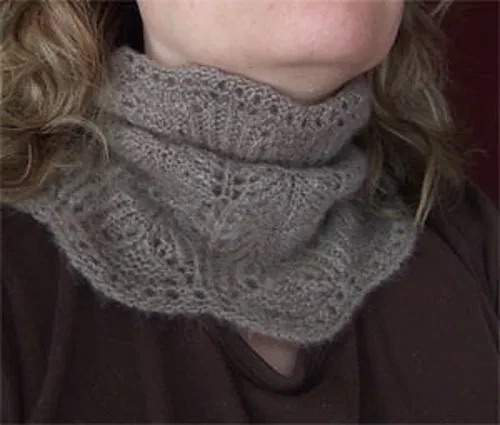
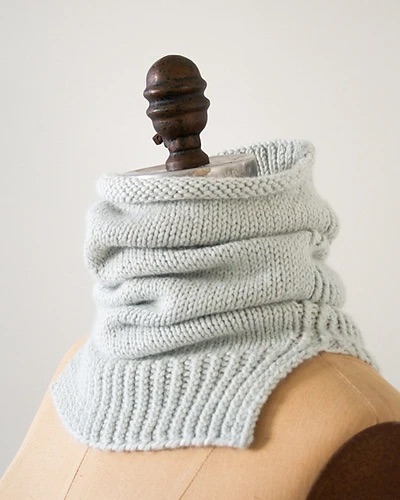
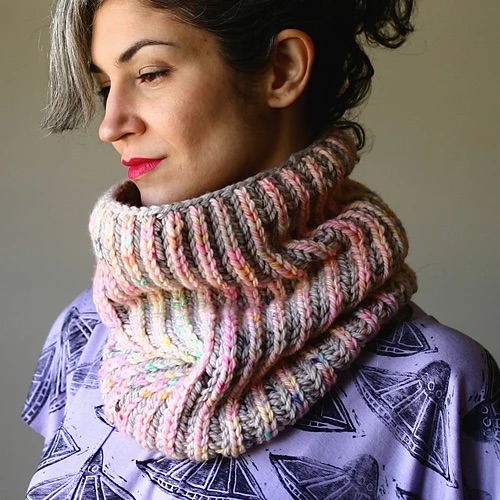
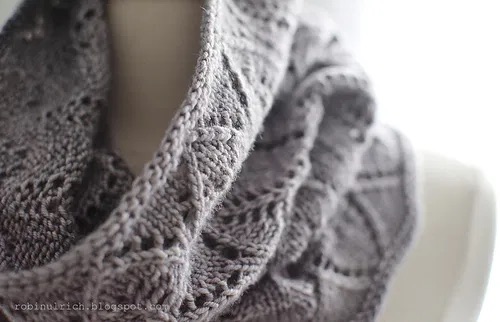
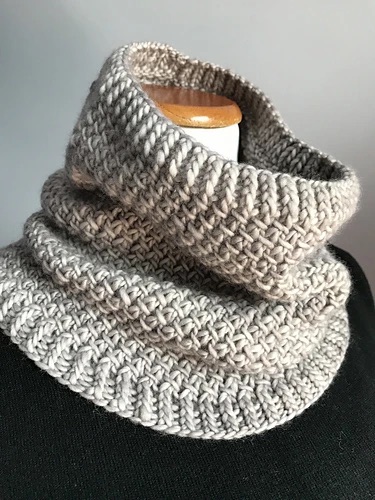
All five of these are really nice options. Pretty Thing by Stephanie Pearl-McPhee just jumped its way right into my knitting queue.
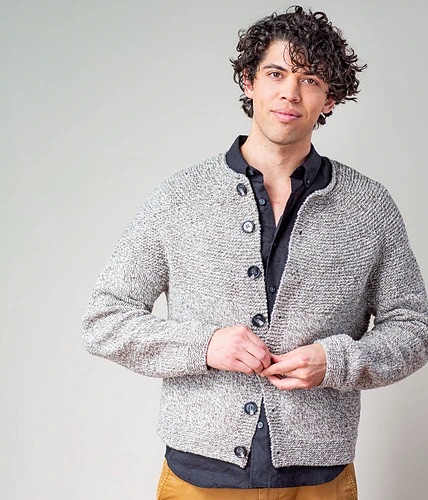
Finally, those rivets down the front of the Tin Man’s torso just whisper “cardigan” to me. This simple cardigan by designer Jared Flood looks ideal to me for completing your Tin Man’s look.
The Scarecrow
Next up, the Scarecrow. The Scarecrow is the first companion to befriend Dorothy on her way to find the wizard. He’s in pursuit of a brain, and looking good doing it.
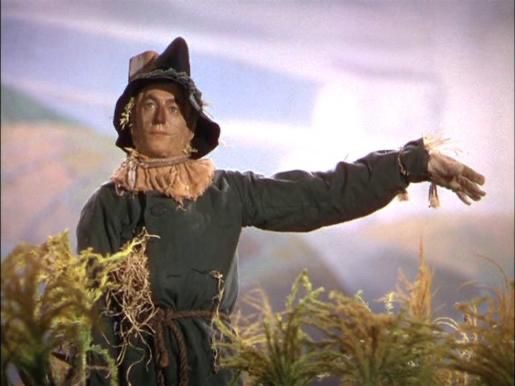
What jumps out to me first, fashion-wise, about the scarecrow is his excellent hat. Very cottage-core witch / Snufkin vibes. A couple of important elements to notice to get the look right, is that the brim is floppy, but the top part is more structured, and it doesn’t come to too narrow a point. These are important distinctions that differentiate it from a typical witch hat.
I found two patterns I liked for the scarecrow’s hat. Witch Hat by Cathy Scott and Little Witchling by Jessica Morsell.
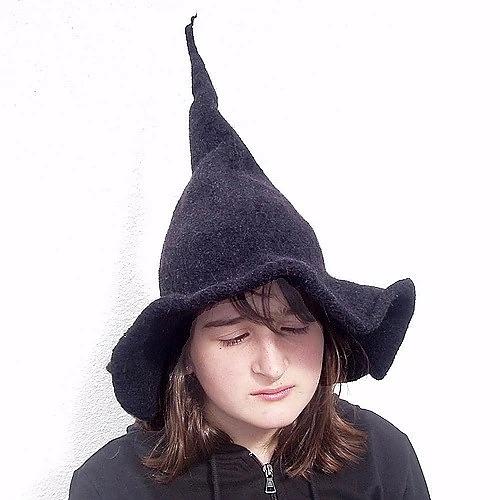
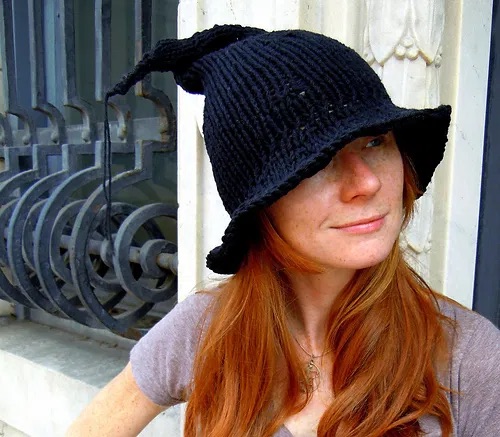
One thing they I would do for both of these designs to help them tip more towards scarecrow and less toward witch, would be make them less pointy. You can do this simply by decreasing by fewer stitches before the final bind off. That will get you a more rounded, less pointy tip.
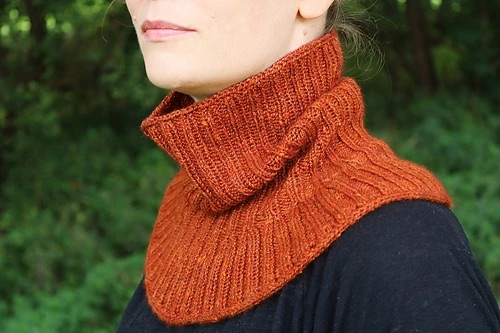
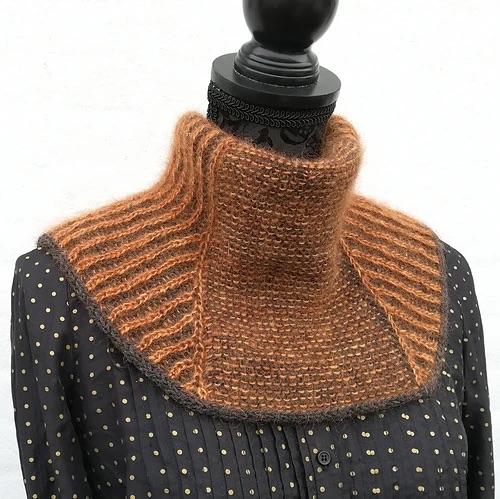
Next, while what is around the scarecrow’s neck is technically part of his head, you yourself might not have a scarecrow head. If not, to get the look, you could, instead, knit a ‘dickie’. Høst by Lise Bogevald and Ane Hellesen’s Krista Cowl are both nice matches shape-wise. Knit up in nice linen colors, they could be just the right touch on a scarecrow look.
This isn’t so Scarecrow topical, but I can’t help but share this beautiful dickie knitting pattern I found from the wonderful Arne and Carlos while conducting my search.

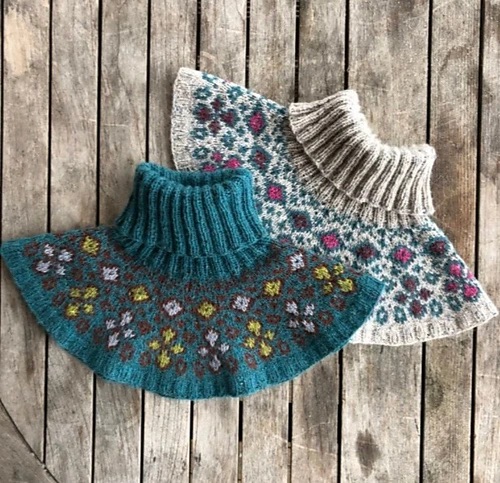
I mean, gorgeous, right? Ok, back to the program.
The Scarecrow has a long tunic shaped jacket with an asymmetric opening. I immediately thought of this cute pattern from Tin Can Knits.
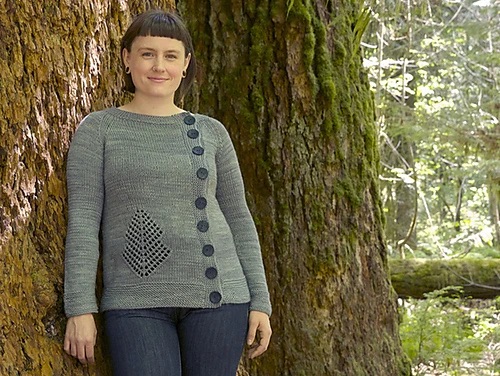
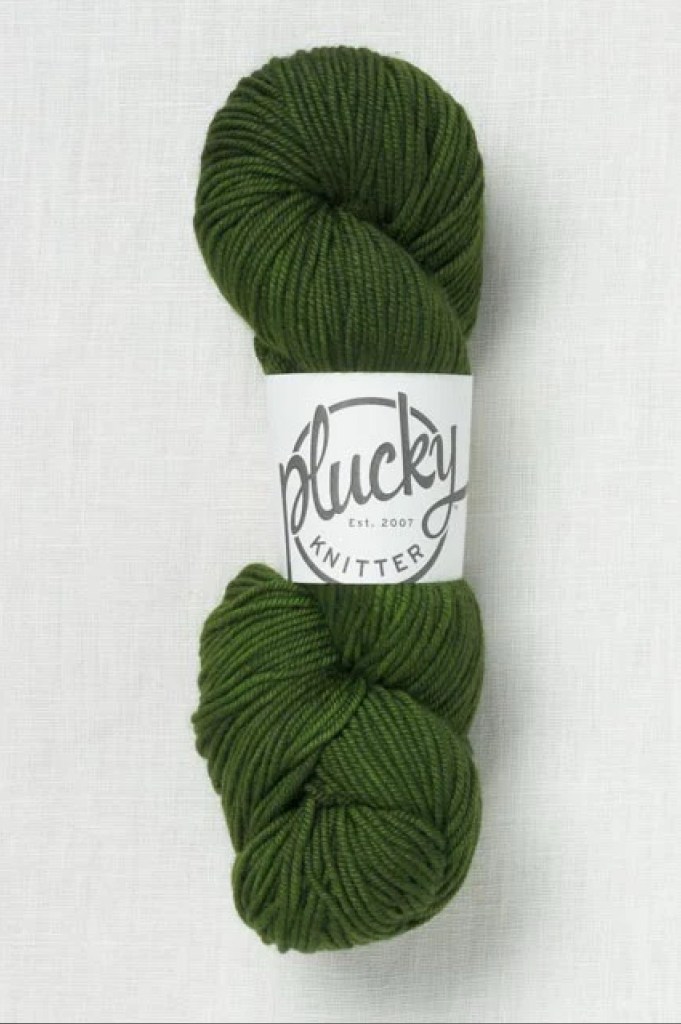
You could easily omit the tree detail, add a few inches to the length, and knit it up in gorgeous green to complete your scarecrow look.
Dorothy
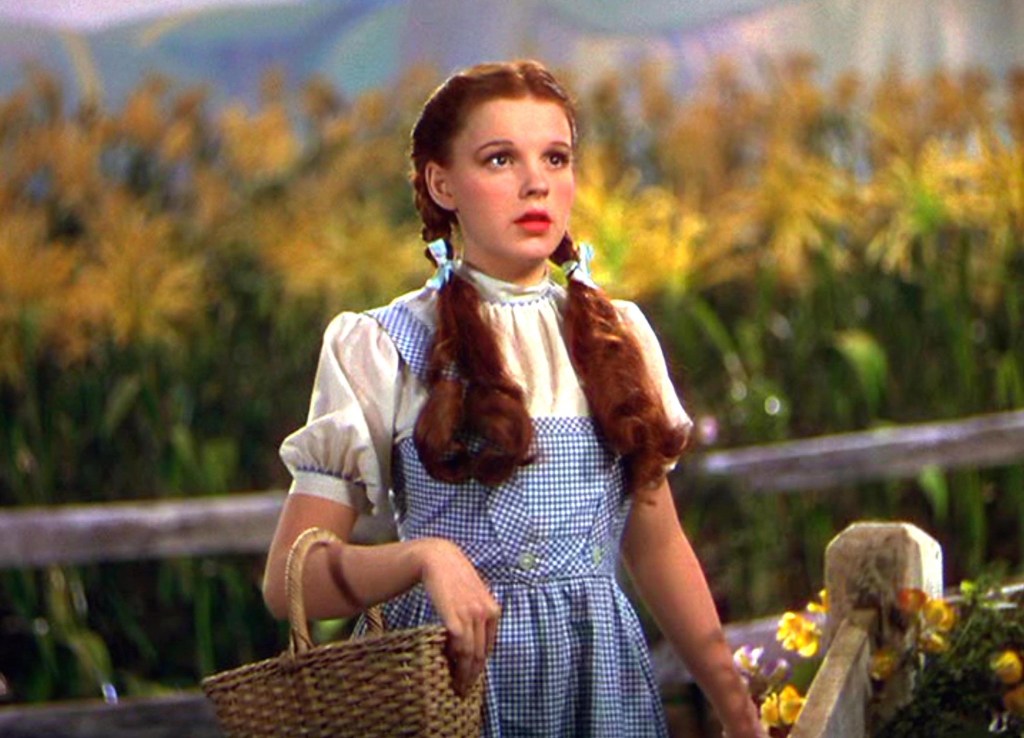
Now, let’s look at Dorothy. She is wears the classic gingham pinafore dress throughout the film. Gingham is a design feature that works very well for woven fabrics. While it’s not quite as natural of a fit for knitwear, it is accomplishable.
There were actually many versions of this dress that were trialed before this particular design was chosen. I found this article about Dorothy’s dresses by Atlas Obscura very interesting, if you’d like to know even more about the history of the dress this article from The Judy Room is a treasure trove of information on the development of Dorothy’s look for the film.
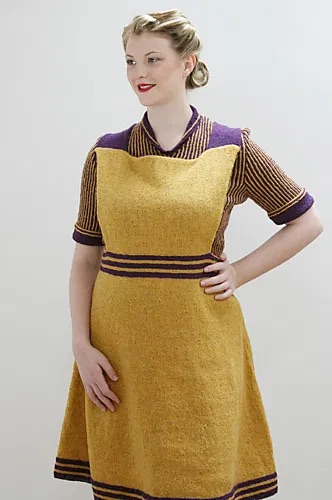
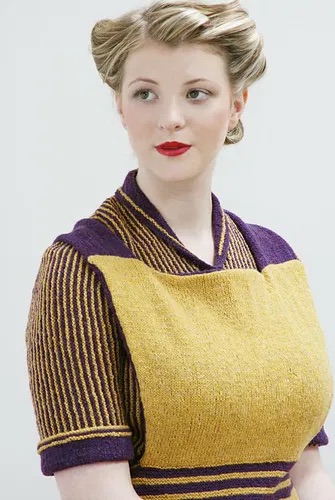
Patterns for adult knitted pinafores are thin on the ground. I did find one by the talented designed Susan Crawford. She has created many great vintage inspired knitting patterns.
She has a pattern for both a pinafore and a jumper to wear underneath. To make this a better match for Dorothy’s dress, you could lower the neckline by increasing the length of the straps and decreasing the length of the front upper body piece.
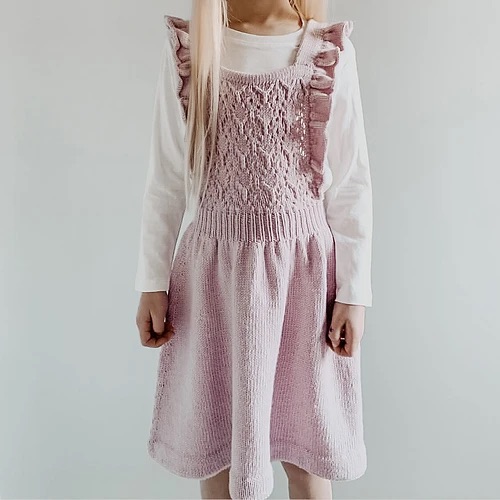
If you are creating a Dorothy look for a child, it is much easier to find dress patterns in this shape. I especially love this dress pattern by scandiknit. How sweet!
I’ve come up with another pattern option that, with some modifications, would work for a Dorothy look.
You could start with this simple summer dress pattern by designer Marzena Kolaczek.
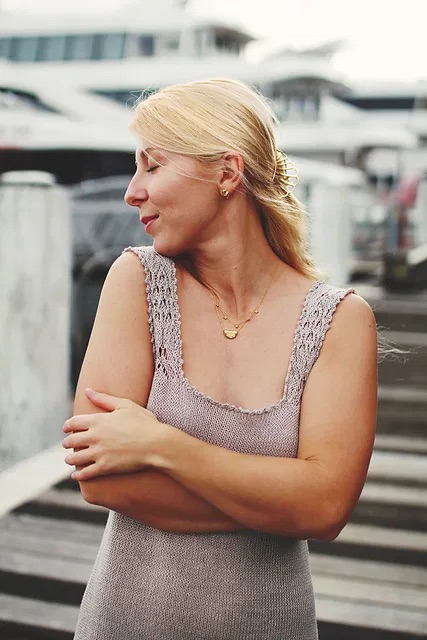
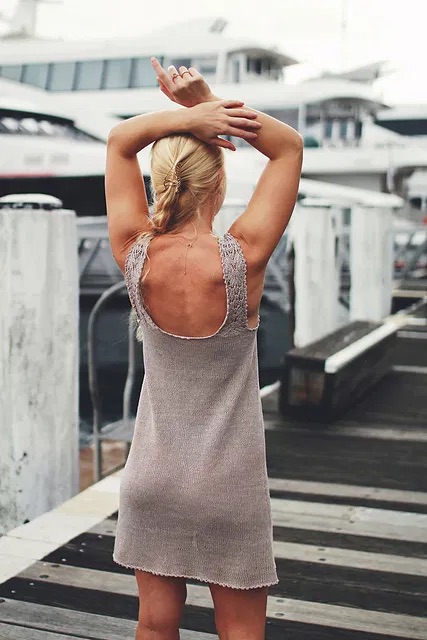
While this one isn’t strictly a pinafore in shape, the straps and neckline on it are very similar. To create more of the shape of Dorothy’s dress, you could do a few inches of ribbing (maybe k2, p2) just below the bust to gather the waist in. Look at the waist in the child’s pink pinafore by scandiknit above to see what I mean. To get a more A line shape, you could add stitch markers to mark the sides of the dress (there is no actual seam line here because the dress is worked in the round) then, increase evenly on both sides of the markers until you have the volume you want in the lower part of the dress.
Now, for the gingham. When I am trying to create a custom design, I find it helpful to take a look at some freely available patterns to see how other designers approach a particular design facet. Here are some freely available patterns on Ravelry that incorporate gingham:
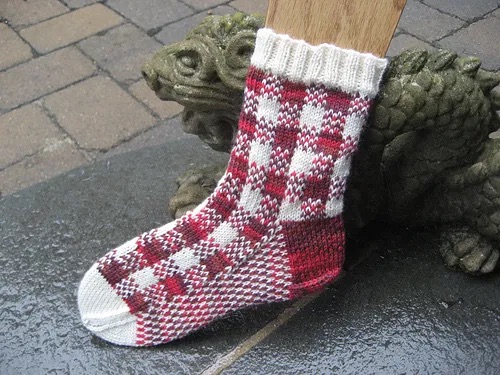
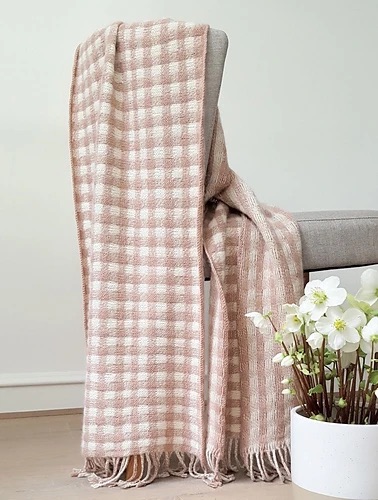
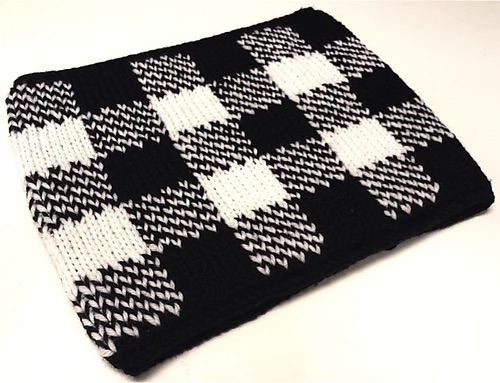
These are really interesting patterns to compare because they all create the gingham pattern using different methods. The Cape Gingham socks use fair isle knitting, the Winter Gingham Shawl uses a specific yarn (Woolfolk Tynd) where two solid colors are incorporated into a third color, and finally the Gingham Neck Warmer uses double knitting.
If you want to create a knitted gingham pinafore inspired by Dorothy, you can choose one of the dress patterns above and one of the above methods for creating a gingham pattern and combine them for your very own Dorothy dress.
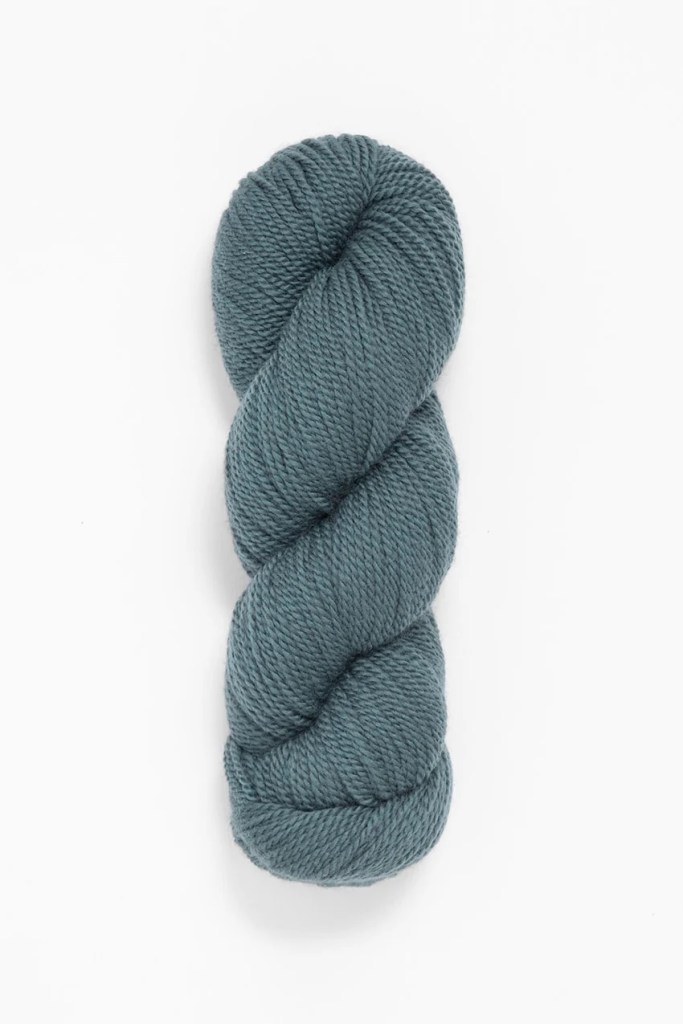
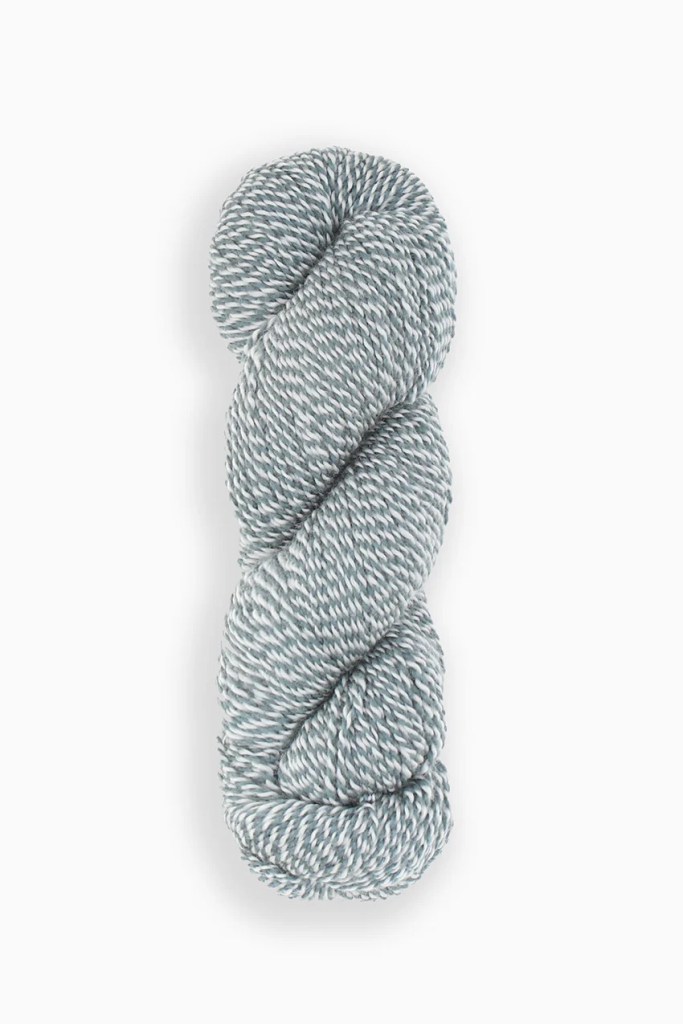
could put together to create Dorothy’s gingham
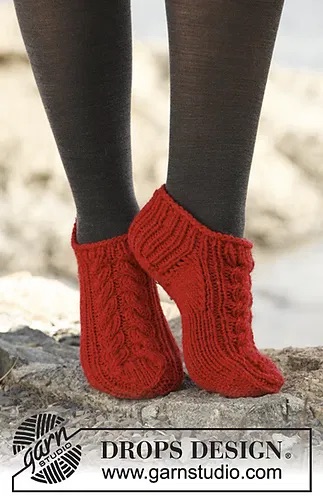
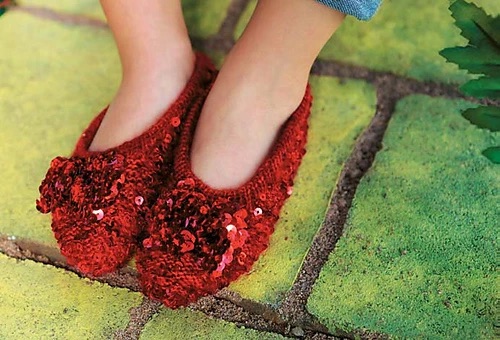
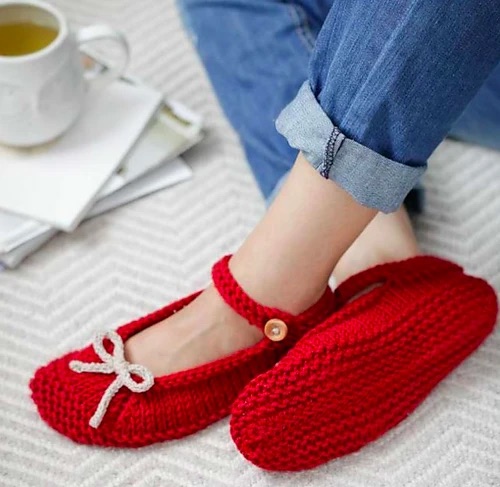
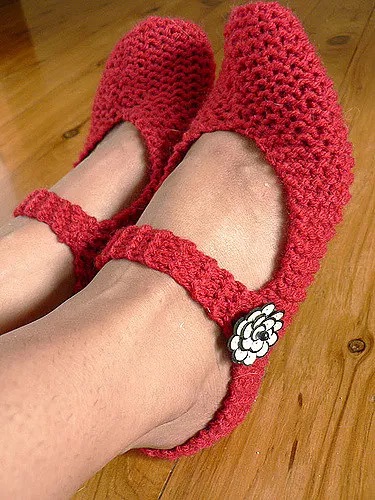
Of course, when playing Dorothy, one cannot forget her wonderful ruby slippers. These iconic shoes are one of the best recognized elements of film costume ever designed. Dorothy’s slippers were described as silver in Baum’s original books, but MGM decided to go with ruby to take full advantage of the technicolor film.
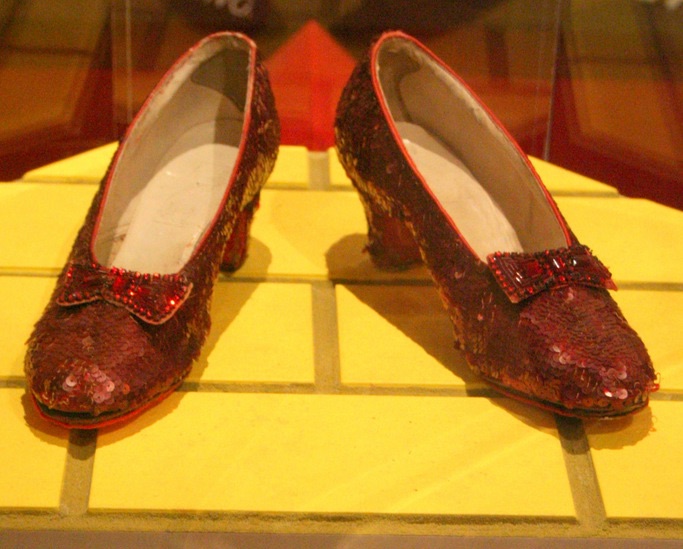
There are many slipper patterns available on Ravely, here are a few options for your inspiration.
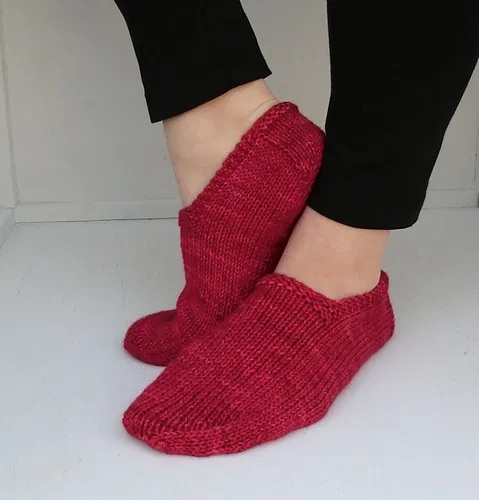
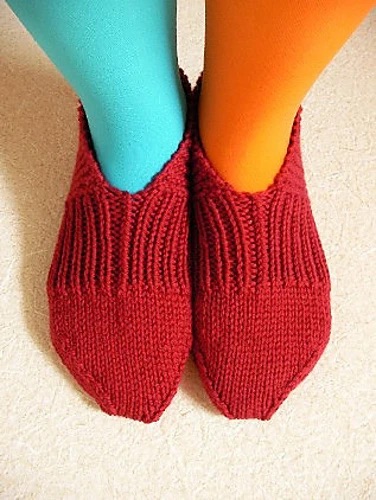
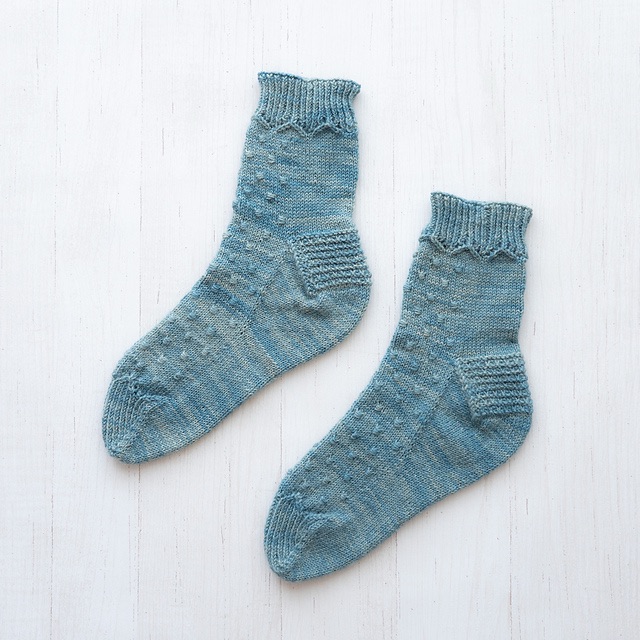
Pair your slippers with blue ankle socks:
Finally, let’s not forget a couple of blue bows for your hair.
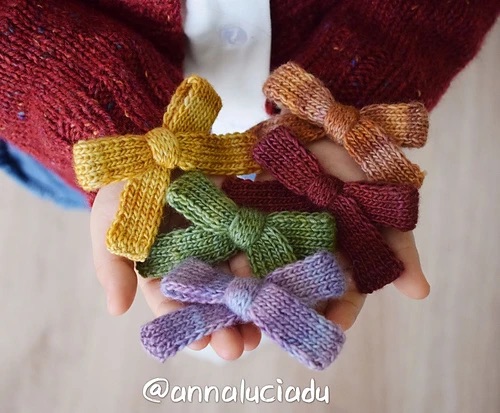
And you’re Dorothy!
That’s all for part 1, part 2 features knitwear inspired by The Cowardly Lion, Glinda, The Wicked Witch, the Wizard himself, as well as an additional surprise or two.
Knitting the World of the Wizard of Oz Part Two
Subscribe to my newsletter to get knitting and film fun delivered straight to your inbox.
Tell me in the comments which Wizard of Oz look you are feeling inspired by.

 Cinema Knits

Leave a reply to Knitting the World of the Wizard of Oz: Part 2 – Cinema Knits Cancel reply